Surgery is not chosen from a neck lump or one abnormal calcium result alone. The cause of the hormone disturbance, its effects on the kidneys and bones, the laboratory findings and the response to medical treatment determine whether parathyroid disorder surgery is appropriate. By the end, you will know which conditions can lead to surgery, what testing is needed and how to prepare for a parathyroid treatment consultation in Mumbai.
Key takeaways
- Primary hyperparathyroidism is the most common reason for parathyroid surgery.
- Blood calcium and PTH results help identify abnormal parathyroid activity.
- Kidney-related secondary disease often needs medical treatment before surgery.
- Bring calcium, PTH, kidney-function reports and medication details to your consultation.
Which parathyroid problems can lead to surgery?
Primary hyperparathyroidism is the main parathyroid problem requiring surgery. A single parathyroid adenoma or multigland hyperplasia produces PTH autonomously, raising blood calcium. Surgery can also be required for suspected parathyroid carcinoma, severe secondary hyperparathyroidism from chronic kidney disease, or tertiary disease after prolonged secondary hyperparathyroidism or kidney transplantation.
| Condition | What drives PTH production | When surgery may be needed |
|---|---|---|
| Primary hyperparathyroidism | An autonomous adenoma or multiple glands raise calcium and PTH | Symptomatic disease, complications, or significant calcium, kidney, bone or age-related risk |
| Secondary hyperparathyroidism | Chronic kidney disease or another problem persistently stimulates the glands | PTH elevation remains severe despite treatment, with difficult calcium or phosphate control, bone disease, calcification or severe itching |
| Tertiary hyperparathyroidism | Glands remain autonomous after long-standing secondary disease | Persistent high calcium and PTH after kidney transplantation or prolonged kidney disease despite medical care |
Common parathyroid problems symptoms include excessive thirst, frequent urination, kidney stones, bone pain, fractures, muscle weakness, constipation, nausea, abdominal discomfort, fatigue, depression, confusion and abnormal heart rhythms. High calcium and PTH can also cause few or no noticeable symptoms, so symptoms alone cannot establish the diagnosis. A diagnosis requires blood and urine testing.
Very high calcium, a firm neck mass, hoarseness or swallowing difficulty raises concern for carcinoma and needs prompt specialist assessment. These distinctions guide parathyroid disorder surgery decisions, including parathyroid problems needing surgery in Mumbai.
How doctors confirm the cause before recommending an operation
A high calcium result does not identify the abnormal parathyroid gland or prove that surgery is needed. Doctors confirm the pattern with repeat testing and review medicines, kidney function, nutrition and family history during a parathyroid treatment consultation.
- Repeat total calcium, or measure ionised calcium, with intact PTH. Primary hyperparathyroidism usually shows repeatedly high calcium with an inappropriately high or non-suppressed PTH.
- Check phosphate, creatinine or estimated glomerular filtration rate, 25-hydroxy vitamin D and 24-hour urinary calcium. These results help separate primary disease from vitamin D deficiency, chronic kidney disease, low calcium intake, malabsorption, lithium and thiazide diuretics.
- Consider familial hypocalciuric hypercalcaemia when blood calcium is high but urine calcium is unusually low, especially with affected relatives. Surgery usually does not correct this inherited condition.
- Diagnose normocalcemic primary hyperparathyroidism only when total and ionised calcium remain consistently normal, PTH remains elevated, and secondary causes have been excluded.
Neck ultrasound, sestamibi scanning and 4-dimensional CT locate abnormal tissue after biochemical confirmation; they do not diagnose hyperparathyroidism. A negative or discordant scan does not exclude disease and can alter the operative plan rather than cancel it.
A family history, multiple endocrine neoplasia type 1, multiple endocrine neoplasia type 2A or familial hyperparathyroidism can prompt genetic testing, screening for other tumours and a plan for possible multigland surgery. Parathyroid problems symptoms alone cannot replace these tests.
When surgery is appropriate—and when medical care comes first
Surgery is appropriate for primary hyperparathyroidism when autonomous PTH production has harmed the kidneys or skeleton, raised calcium substantially, or creates long-term risk. This framework guides parathyroid disorder surgery, not symptoms alone.
- Kidney stones or nephrocalcinosis
- Vertebral fracture
- Osteoporosis with a T-score of −2.5 or lower at the relevant skeletal sites
- Serum calcium more than 1 mg/dL (0.25 mmol/L) above the laboratory upper limit
- eGFR below 60 mL/min/1.73 m²
- 24-hour urinary calcium above 250 mg/day in women or 300 mg/day in men
- Age under 50 years
Current guidelines, laboratory units and your overall clinical picture must be applied by the treating team.
Secondary hyperparathyroidism usually starts with kidney-disease management. Surgery becomes a consideration when PTH remains severely elevated despite appropriate treatment and complications include refractory hypercalcaemia or hyperphosphataemia, bone disease, vascular or soft-tissue calcification, or severe itching. No single PTH value mandates surgery for every dialysis patient.
Tertiary hyperparathyroidism involves glands that remain autonomous after prolonged secondary disease, particularly after kidney transplantation. Persistent hypercalcaemia with high PTH and unsuccessful medical treatment supports parathyroidectomy.
Medical care comes first when complications are absent or reversible causes remain:
- Observation with repeat calcium, PTH, kidney and bone assessment
- Hydration and medicine review
- Vitamin D treatment when deficient
- Cinacalcet or bisphosphonates when appropriate
- Kidney-disease and phosphate management
These measures do not remove an autonomous adenoma, so a parathyroid treatment consultation is needed when biochemical disease persists or complications appear.
What to prepare for a parathyroid treatment consultation in Mumbai
Bring a complete record, not just the latest calcium result, to your parathyroid treatment consultation. Include recent calcium and intact PTH, phosphate, creatinine or eGFR, 25-hydroxy vitamin D, 24-hour urine calcium, bone-density scans, kidney imaging, medicine and supplement lists, family history, and previous neck-operation or pathology records.
Ask the clinician to review:
- Thirst, frequent urination, stones, fractures, bone pain, weakness, constipation, nausea, fatigue, mood or confusion changes
- Kidney disease, bone loss, medicines such as lithium or thiazide diuretics, and hereditary risk
- Ultrasound, sestamibi or 4D-CT findings, remembering that imaging locates a gland but does not prove the diagnosis
- Any previous neck surgery, because scar tissue can change the operative plan
The choice usually depends on the evidence available:
| Option | What it means | When it applies |
|---|---|---|
| Focused operation | Targets a localised abnormal gland through a small neck incision | Biochemistry confirms disease and imaging agrees |
| Bilateral neck exploration | Examines both sides and multiple glands | Imaging is negative or discordant, or multigland, hereditary, tertiary or reoperative disease is suspected |
When comparing parathyroid surgery in Mumbai, ask about endocrine-focused experience, ultrasound, sestamibi or 4D-CT access, intraoperative PTH, anaesthesia and pathology support, postoperative calcium checks and follow-up. Dr.VinayKumar Thati-Laser & Laparoscopic Surgeon can be one local option for discussing diagnosis and minimally invasive care, but a laser label cannot replace biochemical confirmation or endocrine planning.
Your estimate can change with repeat tests, imaging, anaesthesia, pathology, observation, calcium medicines and follow-up.
Related service
GI SURGERY Parathyroid Parathyroidectomy (pair-uh-thie-roid-EK-tuh-me) is surgery to remove one or more of the parathyroid glands or a tumor that's affecting a parathyroid... |
How the operation and recovery differ by the underlying disease
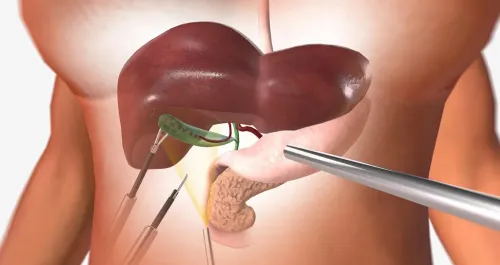
A single localised gland often permits focused parathyroidectomy through a small neck incision. Intraoperative PTH testing can confirm that hormone levels fall adequately. Negative scans, multigland hyperplasia, hereditary disease, tertiary hyperparathyroidism or previous neck surgery can require bilateral neck exploration instead.
| Disease pattern | Operation | Recovery implications |
|---|---|---|
| Single-gland adenoma | Focused removal, often with intraoperative PTH testing | Shorter exploration; calcium checks still matter |
| Multigland, hereditary or tertiary disease | Bilateral exploration, with removal planned for several abnormal glands | Greater risk of low calcium and hungry bone syndrome |
| Reoperative disease | Careful bilateral exploration with scar-related nerve and tissue risks | Recovery and follow-up require closer monitoring |
| Suspected carcinoma | Specialist en-bloc resection, not shelling out one gland | Pathology and cancer follow-up guide further treatment |
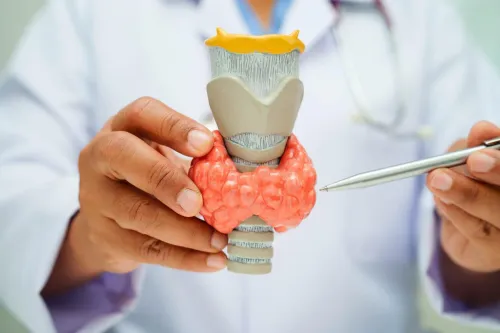
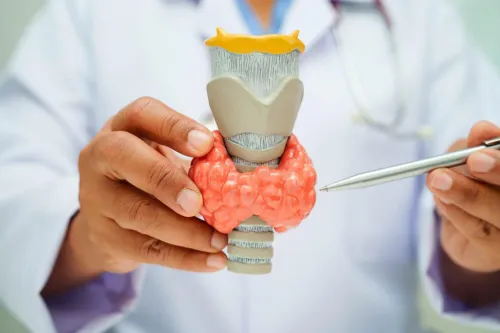
Parathyroid surgery in Mumbai is not automatically thyroid surgery. The target is hormone-producing tissue behind or beside the thyroid; thyroid tissue is not removed by default. A laser label does not replace biochemical confirmation or appropriate planning for parathyroid disorder surgery.
Afterward, observation and calcium testing detect temporary or permanent hypocalcaemia. Hungry bone syndrome can require intensive calcium and calcitriol, especially after severe longstanding disease, vitamin D deficiency, marked bone disease or renal disease. Discuss recurrent laryngeal nerve injury causing voice change, bleeding or haematoma, persistent disease and recurrence.
Keep the wound clean and follow instructions on bathing, lifting, driving and work. Seek urgent care for rapidly enlarging neck swelling, breathing difficulty, severe tingling, muscle spasms, fainting or worsening voice change. Before surgery, repeated vomiting, dehydration, marked confusion, extreme weakness or an irregular heartbeat also require urgent medical assessment.
Frequently asked questions
Which parathyroid problems can lead to surgery?
Surgery can treat primary hyperparathyroidism from a parathyroid adenoma or multigland hyperplasia. It can also be needed for suspected parathyroid carcinoma, severe secondary hyperparathyroidism from chronic kidney disease, and tertiary hyperparathyroidism after prolonged secondary disease or kidney transplantation.
How do doctors confirm the cause before recommending an operation?
Doctors review blood calcium, intact PTH, phosphate, creatinine and vitamin D results, then assess symptoms, kidney health and bone effects. Neck ultrasound or a sestamibi scan helps locate abnormal glands but does not replace biochemical diagnosis.
When is surgery appropriate for a parathyroid disorder?
Surgery is appropriate when autonomous PTH production causes significant hypercalcaemia, kidney stones, reduced kidney function, osteoporosis or fractures, troublesome symptoms, suspected cancer, or severe kidney-related gland disease. Medical treatment comes first when the cause can be corrected without an operation.
What should you bring to a parathyroid treatment consultation in Mumbai?
Bring recent calcium and PTH reports, kidney-function and vitamin D results, bone-density scans, neck imaging, kidney-stone records, transplant or dialysis details, and a complete list of medicines and supplements.
How do the operation and recovery differ by the underlying disease?
A focused operation may remove one abnormal gland in single-gland primary disease. Multigland, secondary and tertiary disease can require exploration of several glands, while suspected carcinoma needs wider cancer-focused planning. Recovery also depends on calcium levels, kidney disease and the operation performed.
Keywords