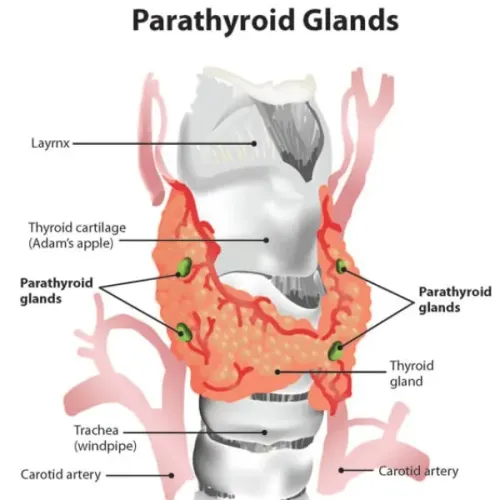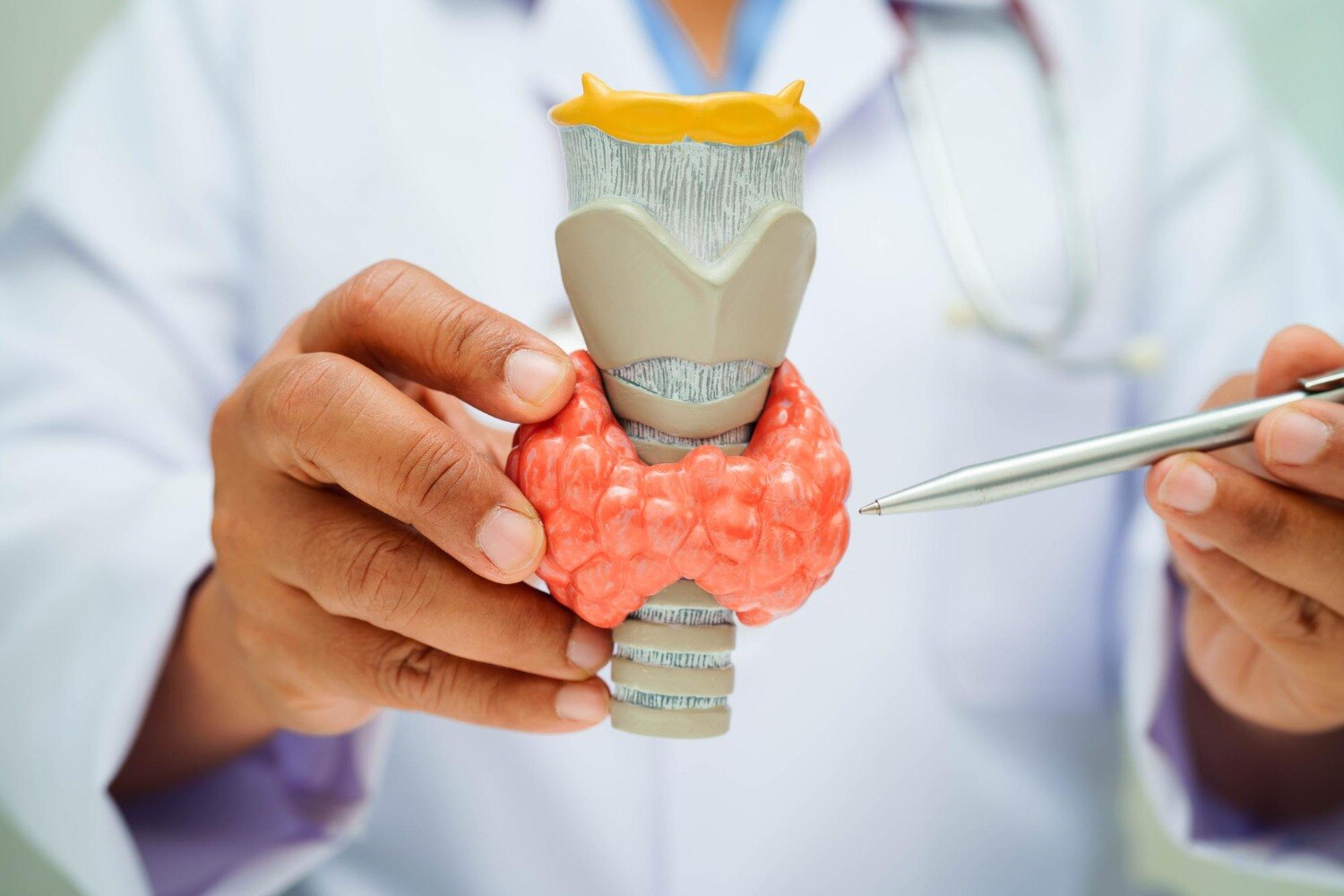
An uncomplicated private-hospital parathyroid operation in Mumbai may cost about ₹1.2–3.5 lakh, but the final bill depends on the diagnosis, surgical plan, hospital stay and services included. You will learn how to compare estimates, confirm whether surgery is appropriate, choose a qualified surgeon and prepare for a productive consultation.
Key takeaways
- Budget ₹1.2–3.5 lakh for an uncomplicated private-sector parathyroidectomy.
- Request an itemised quote covering tests, surgeon, hospital, anaesthesia and follow-up.
- Confirm primary hyperparathyroidism with blood tests before relying on scan results.
- Compare surgeon experience, operation type, hospital support and follow-up arrangements.
What does parathyroid surgery cost in Mumbai, and what does the quote include?
A practical private-sector estimate for an uncomplicated parathyroidectomy is ₹1.2–3.5 lakh. The parathyroid surgery cost in Mumbai has no single standard tariff.
| Setting | Charges | Availability and waiting |
|---|---|---|
| Private hospital | Surgeon, anaesthesia, operating room and short-stay admission, with extras billed separately | Faster scheduling; room category changes the total |
| Public hospital | Subsidised or lower charges, subject to hospital rules | Lower availability and longer, variable waiting times |
Ask what the parathyroidectomy cost in Mumbai includes: surgeon fees, anaesthesia, operating-room charges, admission, monitoring, room category, medicines, pathology, preoperative blood tests, neck imaging, intraoperative PTH testing and follow-up calcium tests.
For the parathyroid surgery price in Mumbai, confirm whether the package includes calcium, albumin, phosphate, creatinine, intact PTH and vitamin-D testing. Also ask about treatment costs for bleeding or neck haematoma, persistent disease and severe postoperative hypocalcaemia.
Reoperation, multigland exploration, intensive monitoring, additional imaging and prolonged admission can raise the bill. A fixed same-day package is unsuitable when these risks are foreseeable.
Request a written, itemised estimate showing:
- Each professional and hospital charge
- Room category, admission duration and monitoring
- Included tests, medicines, pathology and follow-up
- Intraoperative PTH and repeat calcium testing
- Separate rates for complications or extended admission
How is the diagnosis confirmed, and when is surgery actually recommended?
Neither one abnormal blood test nor a scan confirms hyperparathyroidism. Repeat serum calcium with albumin and intact parathyroid hormone; interpret calcium against albumin, then check phosphate, vitamin-D status, creatinine and kidney function. Review medicines such as thiazide diuretics and lithium, which can affect results.
Request 24-hour urine calcium when familial hypocalciuric hypercalcaemia or another diagnostic question is possible. Assess bone mineral density, previous fragility fractures, kidney stones and imaging evidence of nephrocalcinosis. Ultrasound and sestamibi scans locate a gland for planning; they do not prove the diagnosis.
Surgery is commonly recommended for primary hyperparathyroidism when any of these apply:
- Symptoms attributable to hypercalcaemia
- Kidney stones, nephrocalcinosis or reduced kidney function
- Osteoporosis or a fragility fracture
- Marked hypercalcaemia
- Age below 50
- Inability to maintain reliable biochemical, bone and kidney surveillance
Selected patients without these findings can choose observation, good hydration and scheduled calcium, kidney and bone monitoring. Correct vitamin-D deficiency or treat kidney disease when secondary hyperparathyroidism is responsible.
| Type | Typical context | Why the plan differs |
|---|---|---|
| Primary | Sporadic overactive gland | Often single-gland surgery |
| Secondary | Chronic kidney disease or vitamin-D deficiency | Medical preparation and multigland assessment may be needed |
| Tertiary | Long-standing renal disease with autonomous glands | More extensive surgery and closer postoperative calcium management |
Secondary and tertiary disease are not routine sporadic primary disease, so a standard single-gland quote and recovery plan may not apply.
How do scans and the type of operation change the plan and price?
Ultrasound, sestamibi scanning and, when needed, 4D CT locate abnormal parathyroid tissue; they do not prove hyperparathyroidism. Diagnosis still depends on repeated calcium and intact PTH results, interpreted with albumin, kidney function and vitamin-D status.
The operation usually falls into one of three planning categories:
- Focused parathyroidectomy: This suits a secure biochemical diagnosis when imaging consistently identifies one abnormal gland. The limited dissection can reduce theatre time and hospital costs, but an unexpected second abnormal gland may require wider exploration.
- Bilateral neck exploration: Surgeons favour this approach when scans are negative or discordant, multiple-gland disease is suspected, or familial disease or renal hyperparathyroidism is present. It involves examining both sides of the neck and can require more operating time, pathology and postoperative calcium monitoring.
- Reoperation: Surgery in a previously operated neck is a separate, more complex category. Scar tissue obscures normal planes, an ectopic gland may have been missed, and recurrent-laryngeal-nerve injury and failure to cure become greater concerns. Additional imaging, nerve monitoring and longer observation can increase the bill.
Intraoperative PTH testing can confirm an adequate hormone fall after gland removal. If PTH remains high or falls too slowly, the surgeon may extend the exploration, adding theatre time and cost.
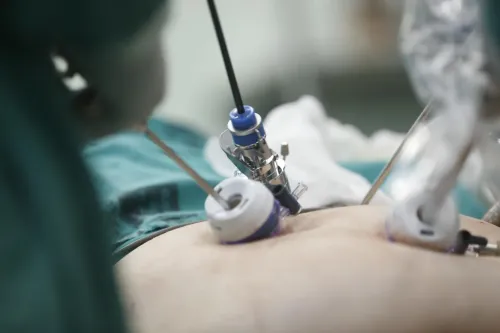
Laser treatment and routine gastrointestinal laparoscopy are not substitutes for this neck operation. Choose a surgeon with specific parathyroid and neck-surgery experience.
How should you compare a parathyroid surgeon in Mumbai and book a consultation?
Choose a parathyroid surgeon in Mumbai by documented neck-surgery experience, not by a low package price or broad laparoscopic and laser practice. Ask these questions before accepting an operation date or estimate:
- How many parathyroid operations do you perform each year?
- How often do you treat ectopic glands, multigland disease and reoperations?
- Is intraoperative PTH testing available?
- Is recurrent-laryngeal-nerve monitoring used routinely?
- Who reviews the pathology, and how are postoperative calcium results monitored?
Bring complete records so the consultation can settle the diagnosis and surgical plan:
- Serial calcium and intact PTH reports, vitamin-D results and kidney-function tests
- Ultrasound or sestamibi images, not only the written reports
- Bone-density results and kidney-stone or nephrocalcinosis records
- Medication and supplement lists
- Previous neck-surgery notes, operative records and pathology documents
| Question | Why it matters |
|---|---|
| Annual parathyroid caseload | Shows relevant current experience |
| Ectopic glands and reoperations | These cases require different planning |
| Intraoperative PTH access | Helps confirm an adequate hormone fall |
| Nerve monitoring and calcium follow-up | Clarifies safety and postoperative care |
| Pathology review | Confirms the tissue diagnosis |
The consultation should confirm biochemical hyperparathyroidism before you accept a price or date. Dr.VinayKumar Thati-Laser & Laparoscopic Surgeon is one local consultation option; confirm parathyroid experience, hospital facilities and included services rather than relying on the practice’s broader work. To book parathyroid consultation in Mumbai, request a written, itemised estimate after record review.
Related service
GI SURGERY Parathyroid Parathyroidectomy (pair-uh-thie-roid-EK-tuh-me) is surgery to remove one or more of the parathyroid glands or a tumor that's affecting a parathyroid... |
What happens after surgery, and which follow-up costs and risks should you plan for?
Many uncomplicated patients go home the same day or after one night, but discharge is not automatic. The decision depends on calcium results, symptoms, comorbidities, exploration extent and hospital policy.
| Observation plan | What it usually means | What can extend it |
|---|---|---|
| Same-day discharge | Stable symptoms and calcium after limited exploration | Abnormal calcium, weakness, kidney disease or hospital policy |
| Overnight observation | Repeat examination, calcium testing and medication planning | Persistent symptoms or a bilateral exploration |
| Extended admission | Treatment and monitoring for complications | Hungry-bone hypocalcaemia, bleeding or major comorbidity |
Your follow-up bill can include postoperative calcium testing, prescribed calcium and calcitriol, pathology review and a clinic visit. Ask whether calcium, albumin, phosphate, creatinine and PTH checks are included, and whether medicines continue after discharge.
Seek prompt medical advice for tingling around your mouth or fingers, muscle cramps, spasms or marked weakness. These symptoms can indicate hypocalcaemia.
Severe or prolonged disease, high alkaline phosphatase, bone disease or vitamin-D deficiency increases the risk of hungry-bone hypocalcaemia. Calcium and calcitriol may then continue for weeks or longer, increasing monitoring, medicine costs and the final bill.
Discuss these risks before consenting:
- Bleeding or neck haematoma
- Temporary or permanent recurrent-laryngeal-nerve dysfunction
- Persistent hypercalcaemia or recurrent disease
- Multigland disease and postoperative hypocalcaemia
Reoperative surgery carries greater concern for nerve injury and failure to cure. A fixed same-day package therefore does not suit every patient.
Frequently asked questions
What is the parathyroid surgery cost in Mumbai?
An uncomplicated private-sector parathyroidectomy is estimated at ₹1.2–3.5 lakh, but the final quote depends on the hospital, surgeon, tests, scans, anaesthesia, operation type and follow-up.
How is the diagnosis confirmed before parathyroid surgery?
Doctors confirm the diagnosis with blood tests, including calcium and parathyroid hormone, then use imaging to locate the abnormal gland and plan the operation.
When is parathyroid surgery recommended?
Surgery is recommended when confirmed parathyroid disease meets clinical criteria, such as significant calcium or kidney-related problems, bone effects, symptoms or other risk factors assessed by the treating surgeon.
What should I ask a parathyroid surgeon in Mumbai before booking?
Ask about diagnosis, scan findings, the proposed operation, surgeon and hospital fees, anaesthesia, admission, possible additional procedures, follow-up visits and the plan for monitoring calcium after surgery.
Keywords