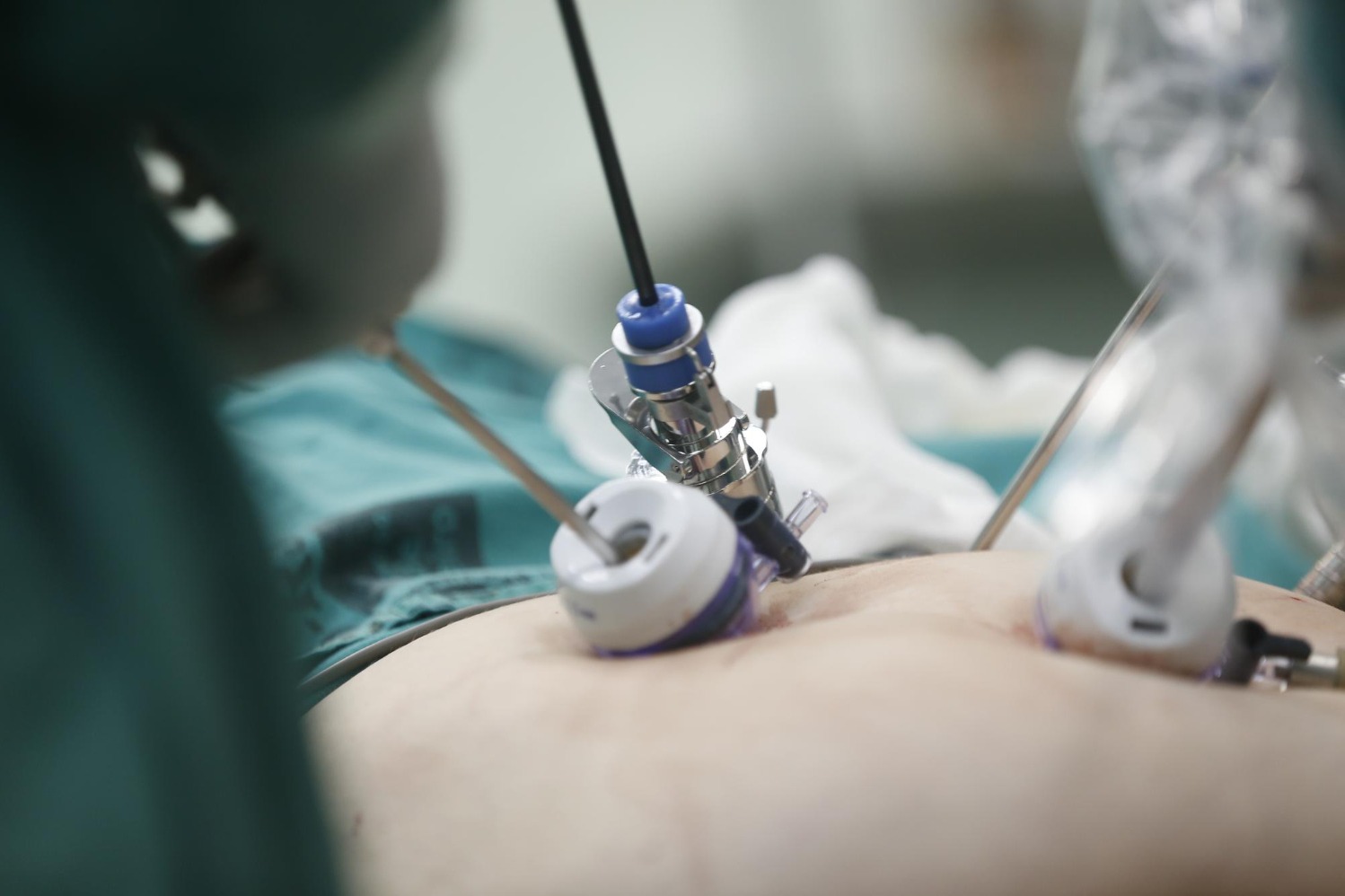
Gallstones are common, but their significance varies. Some people have stones without symptoms, while others experience repeated upper abdominal pain, nausea or complications related to the gallbladder. When symptomatic gallbladder disease requires surgery, laparoscopic cholecystectomy is a commonly used approach for removing the gallbladder.
Patients in Mumbai Central often want to know what happens before the operation, how the procedure works and what recovery involves.
When Is Gallbladder Removal Considered?
Surgery may be discussed when gallstones are causing recurrent symptoms or complications. Typical gallstone pain is often felt in the upper right or upper central abdomen and may occur after meals.
Medical assessment becomes particularly important with:
- Repeated episodes of significant upper abdominal pain
- Fever with abdominal pain
- Persistent vomiting
- Yellowing of the skin or eyes
- Evidence of gallbladder inflammation
- Suspected gallstone-related complications
Severe pain, fever or jaundice can require prompt medical evaluation.
What Is Laparoscopic Cholecystectomy?
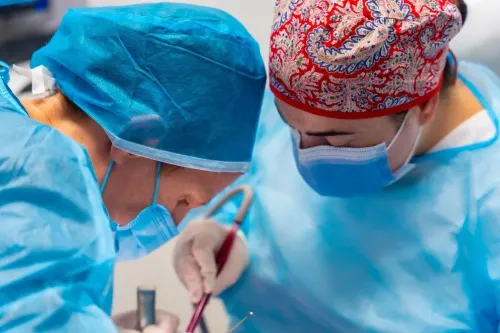
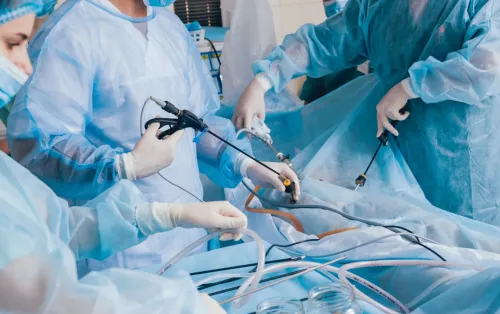
During the procedure, the surgeon makes small abdominal incisions and uses a laparoscope—a camera that provides a view inside the abdomen. Specialized instruments are then used to separate and remove the gallbladder.
The operation is generally performed under general anaesthesia.
Compared with traditional open surgery, the laparoscopic approach can offer smaller incisions and a shorter recovery for many appropriately selected patients. Open surgery may still be necessary in some circumstances, including when anatomy or operative findings make it safer.
Preparing for Surgery
Preoperative assessment may include:
- Blood investigations
- Abdominal ultrasound
- Liver-related tests where appropriate
- Review of current medicines and medical conditions
- Anaesthesia assessment
Additional imaging may be required if there is concern about stones in the bile duct or another complication.
Patients should also discuss when to stop eating before surgery and how medications such as blood thinners or diabetes medicines should be managed. Medication changes should be made according to the treating team's instructions.
For patients seeking Laparoscopic Cholecystectomy in Mumbai Central, Maharashtra, understanding the postoperative plan is equally important.
Dr.VinayKumar Thati-Laser & Laparoscopic Surgeon evaluates gallbladder symptoms and imaging findings to determine when surgical treatment is appropriate. After surgery, patients receive guidance about diet progression, wound care, physical activity and follow-up.
Gallstones found incidentally do not always lead directly to surgery. The decision is strongest when symptoms, examination and investigations are considered together.
Keywords