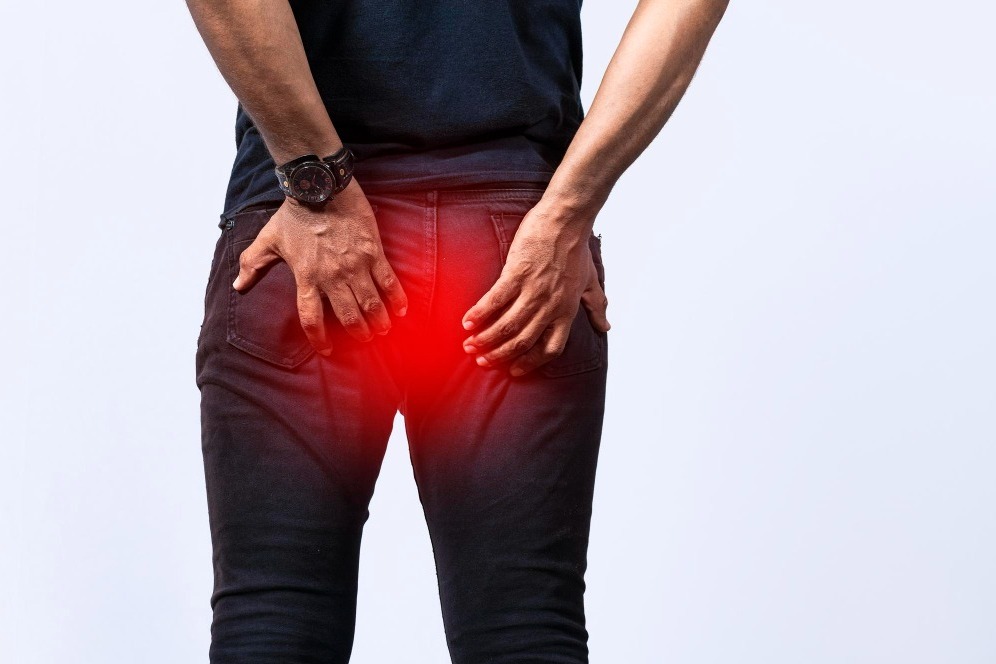
A sharp, cutting pain during or after passing stool is a common symptom of an anal fissure. An anal fissure is a small tear in the lining of the anal canal, often associated with hard stools, constipation or repeated straining. Many acute fissures improve with appropriate conservative care, but a fissure that persists can become chronic and may need further treatment.
For patients exploring Laser Fissure Surgery in Dadar, understanding the difference between an acute and chronic fissure is important before deciding on a procedure.
Why Do Anal Fissures Become Chronic?
Pain from a fissure can cause tightening or spasm of the internal anal sphincter. This may reduce local blood flow and interfere with healing. The person may then avoid bowel movements because of pain, which can worsen constipation and create a continuing cycle.
Common symptoms include:
- Severe pain while passing stool
- Burning pain that continues afterward
- Small amounts of bright red blood
- Fear of passing stool because of anticipated pain
- Repeated episodes after constipation
Not every episode of anal pain is caused by a fissure. Hemorrhoids, abscesses and other anorectal conditions can produce overlapping symptoms.
Treatment Usually Begins Conservatively
For many patients, initial management focuses on making stools softer and reducing strain. Fibre, adequate hydration, bowel-habit correction and prescribed topical medicines may be advised.
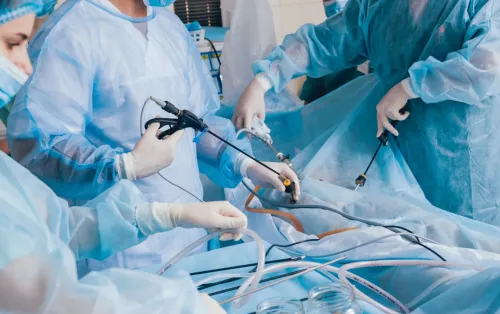
When a chronic fissure does not respond adequately, a surgeon can assess whether a procedural or surgical option is appropriate. Laser techniques may be incorporated into treatment in selected situations, while other established surgical approaches may also be considered depending on the fissure and sphincter findings.
Questions Worth Asking Before Surgery
Before proceeding, patients should understand:
- Is the fissure acute or chronic?
- Have appropriate non-surgical treatments been tried?
- What procedure is being recommended and why?
- What postoperative bowel-care measures are required?
- When can normal activities usually be resumed?
These questions are particularly useful for working adults and families in Dadar and other areas of Mumbai who need to plan around treatment and follow-up.
Dr.VinayKumar Thati-Laser & Laparoscopic Surgeon assesses persistent anorectal symptoms and helps determine whether continued medical management or surgery is appropriate. The consultation can also address constipation, postoperative hygiene and dietary measures that support recovery.
Persistent pain or bleeding deserves proper examination rather than repeated self-treatment. Identifying the exact cause is the foundation of effective fissure management.
Keywords