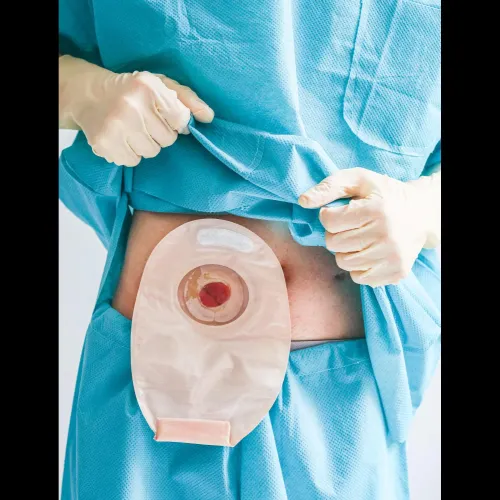
The final bill for bowel resection depends on the diagnosis, urgency, bowel segment, surgical approach, hospital stay and complications, so an online figure cannot replace a written estimate. By the end, you will know which cost items to request, which symptoms require emergency assessment, what tests guide the decision, and how to compare open surgery with laparoscopic treatment.
Key takeaways
- Treat several lakh rupees as a planning band, not a fixed Mumbai tariff.
- Request an itemised written estimate covering surgeon, hospital, anaesthesia, tests and follow-up.
- Seek emergency care for severe pain, persistent vomiting, swelling or inability to pass stool or gas.
- Ask whether laparoscopic or open surgery fits your diagnosis, anatomy and urgency.
What determines intestinal resection surgery cost in Mumbai?
A private, uncomplicated elective laparoscopic resection is usually budgeted in the several-lakh-rupee range in Mumbai. Treat this as a planning band, not a fixed tariff: there is no regulated citywide price for intestinal resection surgery cost in Mumbai.
The final intestinal surgery cost in Mumbai changes with:
- The bowel segment removed and whether the diagnosis is cancer, obstruction, Crohn’s disease, perforation or ischaemia.
- An open operation versus laparoscopy, including conversion to open surgery when adhesions, severe distension or unstable vital signs make keyhole surgery unsafe.
- Anastomosis, stoma formation, staplers, implants and other consumables.
- Emergency admission, blood products, ICU care, complications or re-operation.
- Room category, hospital stay, additional days, medicines, imaging and nursing.
- Surgeon and anaesthetist fees, operating-room charges, pathology and follow-up visits.
Ask for a written estimate with each charge separated. A low package price can exclude ICU days, stoma supplies, pathology, extra medicines or re-operation, making the final bill substantially higher. The surgeon’s operative plan and the hospital’s stated inclusions are more useful for budgeting than an online average.
Which charges should appear in your written estimate?
Ask for a written estimate before paying a deposit. A low package price can exclude ICU care, stoma supplies, blood products, staplers, extra hospital days, treatment of a leak, or re-operation. Compare the included items and exclusions, not the headline total, when assessing intestinal surgery cost in Mumbai.
| Item | Quotation A | Quotation B |
|---|---|---|
| Surgeon and anaesthetist fees | Included or separate | Included or separate |
| Operating room, bed, nursing and ICU | Room category and daily rates | Room category and daily rates |
| Consumables and staplers | Named items and limits | Named items and limits |
| Medicines, imaging and pathology | Included, capped or excluded | Included, capped or excluded |
| Anastomosis, stoma, marking and education | State each option | State each option |
| Extra days, blood products and complications | Daily rates and exclusions | Daily rates and exclusions |
| Follow-up and emergency coverage | Visits and after-hours contact | Visits and after-hours contact |
Ask whether the estimate covers conversion from laparoscopic to open surgery and whether anastomosis or a temporary or permanent stoma is planned. Request separate rates for each additional day and ICU day. Before you book intestinal surgery in Mumbai, ask for the hospital’s written inclusions and the surgeon’s itemised fee; then compare like-for-like totals.
When is bowel resection an emergency?
Severe, worsening abdominal pain with a rigid or swollen abdomen, repeated vomiting, inability to pass stool or gas, fever, rapid pulse, fainting or confusion needs emergency assessment. These signs can indicate a blocked, strangulated or perforated bowel, ischaemia, uncontrolled bleeding or abdominal sepsis.
Surgery may be required the same day after fluids, antibiotics, blood tests and urgent imaging; delaying can lead to tissue death or widespread infection.
| Diagnosis | Usually requires immediate surgery | Can often be planned |
|---|---|---|
| Mechanical obstruction | Complete blockage, closed-loop obstruction or strangulated hernia with poor blood flow | Partial obstruction without ischaemia, after the cause is investigated |
| Perforation or infection | Free perforation, peritonitis or an abscess that cannot be drained safely | Localised abscess treated first with drainage and antibiotics |
| Cancer, Crohn’s disease or stricture | Perforation, uncontrolled bleeding or acute obstruction | Stable disease after CT, colonoscopy, biopsy and nutritional assessment |
A stable patient with bowel cancer, recurrent Crohn’s-related narrowing or a non-strangulated benign stricture may have time for staging, optimisation and a planned operation. An intestinal surgeon in Mumbai should explain which scan or examination finding changes the decision, whether a stoma is possible, and what symptoms require immediate hospital admission.
What happens during the surgeon consultation and diagnostic work-up?
Bring the actual CT or MRI images, not only the radiology report. Also carry colonoscopy or endoscopy findings, biopsy and pathology reports, blood-test results, previous operation notes, discharge summaries, medication list and allergy details.
The surgeon will examine your abdomen for tenderness, distension, a mass, hernia or peritonitis, then assess hydration, anaemia, infection, diabetes, smoking and nutritional status. These findings affect whether surgery is urgent, whether bowel ends can be joined safely, and whether a stoma or staged operation is safer.
| Evidence reviewed | What it helps determine | Possible consequence |
|---|---|---|
| CT or MRI images | Obstruction, perforation, tumour, ischaemia, abscess and nearby-organ involvement | Urgent, planned, open or laparoscopic surgery |
| Endoscopy, biopsy and pathology | Disease location and cancer or inflammatory diagnosis | Resection margins and operation extent |
| Blood tests and clinical examination | Anaemia, infection, kidney function, clotting and nutritional risk | Optimisation, admission or operation timing |
| Previous notes and medicines | Adhesions, anticoagulants and prior complications | Medication changes and technical planning |
Before choosing an intestinal surgeon in Mumbai, verify registration through the National Medical Commission and ask about gastrointestinal or colorectal training, the proposed operation, conversion and stoma rates, and multidisciplinary review. Whether you consult Dr.VinayKumar Thati-Laser & Laparoscopic Surgeon or another specialist, settle these points before you book intestinal surgery in Mumbai.
Should you choose open surgery or laparoscopic intestinal resection?
Neither approach is automatically better: the diseased segment, urgency, anatomy and your medical stability determine whether resection is laparoscopic or open.
| Feature | Small-bowel resection | Large-bowel resection |
|---|---|---|
| Typical reasons | Crohn’s disease, obstruction, strangulation, ischaemia, trauma or perforation | Diverticular disease, colorectal cancer, obstruction, perforation or severe infection |
| Technical focus | Remove the damaged segment and join the remaining ends; multiple affected areas can complicate the plan | Remove the involved colon, sometimes with nearby lymph nodes, then create an anastomosis or stoma |
| Recovery considerations | Adhesions and short-bowel risk matter when repeated resections have removed substantial intestine | Bowel function, anastomotic leak risk and temporary or permanent stoma planning require close attention |
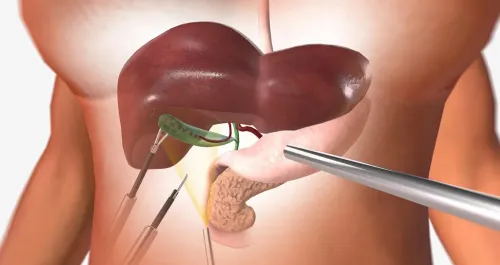
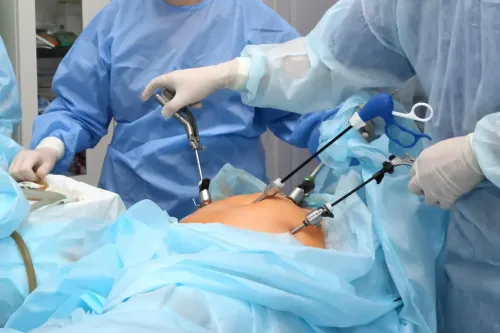
Laparoscopic intestinal resection in Mumbai uses small incisions and a camera, but it is unsuitable when dense adhesions block safe access, the bowel is severely distended, cancer invades nearby structures, anatomy is unclear, or you cannot tolerate pneumoperitoneum. Haemodynamic instability, uncontrolled bleeding or widespread contamination also favour open surgery.
The team can begin laparoscopically and convert to an open incision if visibility, bleeding control or safe bowel separation becomes difficult. Conversion is a safety decision, not proof that the operation failed.
Ask an intestinal surgeon in Mumbai whether the estimate includes conversion, staplers, anastomosis, stoma creation and the extra hospital days that an open operation can require.
What should you confirm before booking and preparing for surgery?
Before you book intestinal surgery in Mumbai, get the operation and fallback plan in writing. Confirm the bowel segment, open or laparoscopic approach, anastomosis, and whether a temporary or permanent stoma is possible. Ask whether stoma marking and education, pathology, postoperative reviews, ICU care, and treatment of a leak or re-operation are included.
| Option | Confirm | Why it matters |
|---|---|---|
| Laparoscopic intestinal resection in Mumbai | Conversion criteria and expected conversion rate | Adhesions, distension, unstable circulation or difficult anatomy can make open surgery safer |
| Open resection | Incision, expected stay and pain plan | Recovery needs differ from laparoscopy |
| Stoma or anastomosis | Who decides, supplies and reversal discussion | Prevents surprises after surgery |
Ask about gastrointestinal or colorectal training, registration in the National Medical Commission register, anaesthesia cover, blood availability and after-hours emergency coverage. Conversion is a safety decision, not necessarily failure. Settle fasting, blood-thinner instructions, walking, diet, wound or stoma care, warning signs, follow-up and transport home.
Ensure the estimate itemises ICU, pathology, medicines and additional hospital days.
Frequently asked questions
What determines intestinal resection surgery cost in Mumbai?
Cost depends on the diagnosis, urgency, surgical approach, hospital facilities, surgeon and anaesthesia fees, diagnostic tests, medicines, room category, length of stay and complications. A private, uncomplicated elective laparoscopic resection is usually budgeted in the several-lakh-rupee range, but Mumbai has no single citywide tariff.
Which charges should appear in a written estimate?
Ask for separate figures for the surgeon, hospital room and operating theatre, anaesthesia, pathology, imaging, laboratory tests, medicines, consumables, nursing, intensive care if required, and follow-up. Confirm whether the estimate includes complications, additional procedures and extra inpatient days.
When is bowel resection an emergency?
Go to an emergency department for severe or worsening abdominal pain, persistent vomiting, a swollen abdomen, fever with marked tenderness, blood in the stool, fainting, or inability to pass stool or gas. These symptoms can indicate obstruction, perforation, bleeding or infection.
What happens during the surgeon consultation and diagnostic work-up?
The surgeon reviews your symptoms, previous operations, medicines and medical conditions, examines your abdomen, and explains the suspected diagnosis and alternatives. Tests can include blood work, imaging such as CT, endoscopy or colonoscopy, and pathology review when tissue has already been sampled.
Should you choose open surgery or laparoscopic intestinal resection?
Laparoscopic surgery uses smaller incisions and can reduce wound impact, but it is not suitable for every diagnosis or patient. Open surgery can provide faster access in complex anatomy, extensive disease or emergencies. Your surgeon should explain the recommended approach, reasons for conversion and recovery differences.
Keywords