Appendicitis cannot be diagnosed safely from pain location or symptom duration alone. You will need an examination and, often, blood tests plus ultrasound or CT to learn whether you have uncomplicated inflammation that could be treated with antibiotics or a complication requiring urgent surgery.
Key takeaways
- Seek urgent assessment for worsening right-sided pain, fever, vomiting or a rigid abdomen.
- Doctors combine an examination, blood tests and imaging to confirm appendicitis.
- Appendix removal is urgent when rupture, widespread infection or worsening inflammation is suspected.
- Antibiotics alone can avoid surgery for selected cases but carry a recurrence risk.
Which appendicitis symptoms mean you need urgent assessment?
Appendicitis symptoms and surgery decisions begin with recognising the pain pattern and spotting emergencies. Pain often starts around the navel, moves to the lower right abdomen and worsens when you walk, cough or change position. Loss of appetite, nausea, vomiting and fever are common; constipation or diarrhoea can also occur.
| Finding | What it can mean | What to do |
|---|---|---|
| Pain moving to the lower right abdomen | Possible inflamed appendix | Arrange urgent medical assessment |
| Severe or spreading pain, rigid abdomen, repeated vomiting or high fever | Possible perforation or peritonitis | Go to a hospital emergency department immediately |
| Fainting, confusion or marked weakness | Possible sepsis or serious dehydration | Seek emergency care now |
| Pain that briefly improves, then becomes severe | Possible rupture after pressure falls | Treat as an emergency |
Do not rule out appendicitis because the pain is not on the right. Early or pelvic appendicitis can cause less typical symptoms; a retrocaecal appendix may cause back or flank pain, while pregnancy-related and older-patient cases can look different.
Do not wait for symptoms to settle, take leftover antibiotics or use laxatives to test what is happening. A temporary reduction in pain does not prove the infection has resolved, and delay can allow perforation, peritonitis or sepsis to develop.
How do doctors confirm appendicitis in Mumbai?
“Do I need appendix surgery in Mumbai?” cannot be answered from symptoms alone. A clinician asks when the pain began, where it moved, what worsens it, and checks tenderness, guarding and pain triggered by movement. They also assess hydration and vital signs.
Blood tests commonly include a white blood cell count and C-reactive protein. Urine testing helps identify a urinary infection or blood from a kidney stone. Doctors compare the findings with kidney stones, gastroenteritis, gallbladder disease, bowel conditions, ovarian cysts or torsion, and ectopic pregnancy.
| Test | Best use | What it can show |
|---|---|---|
| CT scan | Adults with suspected right-lower-quadrant appendicitis | The clearest answer in many adults; appendicolith, perforation or abscess |
| Ultrasound | Children, pregnancy, or when radiation should be avoided | An inflamed appendix and some alternative causes |
If you are seeking appendicitis treatment in Mumbai, tell the clinician whether pregnancy is possible, when you last ate or drank, whether you take anticoagulants, and whether you have had abdominal surgery. These details affect imaging, anaesthesia and the timing of treatment. A scan showing another diagnosis can prevent unnecessary appendix surgery.
When does appendicitis require surgery rather than observation?
Surgery is usually the prompt choice for uncomplicated appendicitis, but a stable patient does not automatically need an operation at 2 a.m. Imaging defines uncomplicated disease as appendix inflammation without perforation, abscess or diffuse peritonitis. Guidance supports laparoscopic appendectomy within 24 hours of admission.
- Move faster when the appendix has perforated, infection has spread through the abdomen, sepsis is present, or the patient is worsening. These situations need urgent source control, not home observation.
- Treat a contained abscess or inflammatory phlegmon differently. Intravenous antibiotics and image-guided drainage can come first when a safe drainage route exists; the team then reviews whether persistent disease, recurrent symptoms or another concern requires surgery.
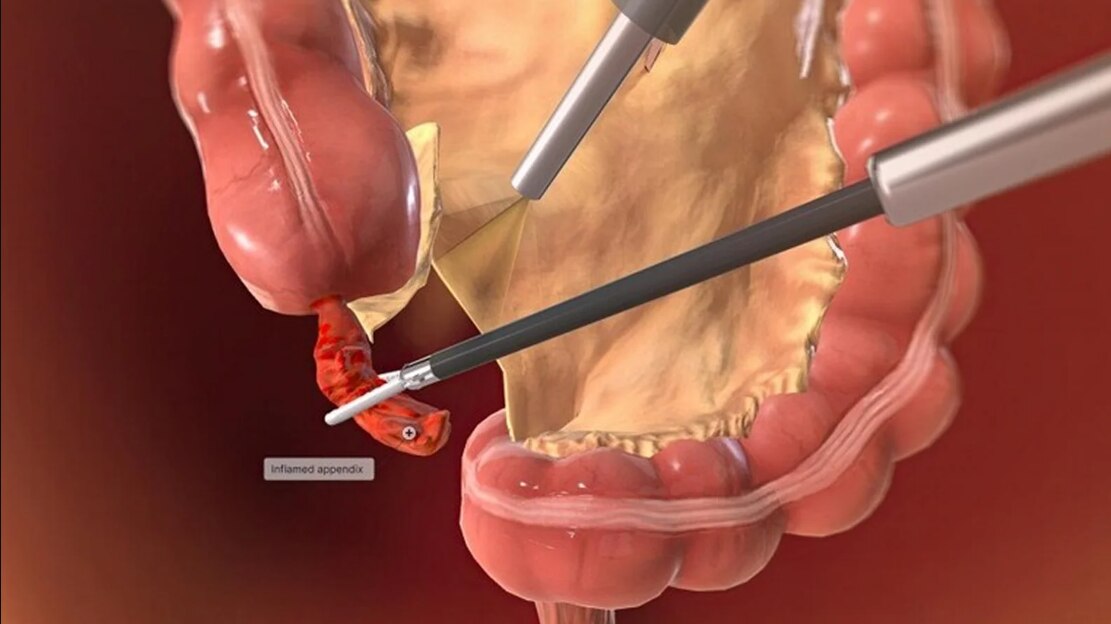
- Choose the operative approach with the surgeon. Laparoscopic removal generally causes less wound pain, fewer wound infections, a shorter hospital stay and faster recovery than open surgery. It requires general anaesthesia, and difficult inflammation can require conversion to an open operation.
The link between appendicitis symptoms and surgery depends on imaging, examination and your stability, not on a brand name. “Laser appendix surgery” does not dissolve or cure appendicitis; the definitive operation removes the appendix. After uncomplicated removal, antibiotics are not routinely continued, while perforation, gangrene or abscess requires a defined postoperative course.
Ask any provider discussing appendicitis treatment in Mumbai whether observation is safe, how quickly surgery must occur and what change would trigger emergency treatment.
Can antibiotics alone treat appendicitis, and what is the trade-off?
Antibiotics can settle appendicitis without immediate appendix removal in a selected adult with CT-confirmed uncomplicated disease: no appendicolith, perforation or abscess, stable vital signs and reliable access to follow-up. This is not a permanent cure for everyone.
In the CODA trial, 29% of patients initially treated with antibiotics had undergone appendectomy by 90 days; the rate was about 41% with an appendicolith and 25% without one.
| Option | What it means | Main trade-off |
|---|---|---|
| Antibiotics alone | Treats selected uncomplicated appendicitis without immediate removal | Recurrence and later surgery remain possible |
| Laparoscopic appendectomy | Removes the inflamed appendix through small incisions | Requires anaesthesia and an operation, but provides definitive source control |
| Antibiotics and drainage | Treats perforation-related abscess or phlegmon, with image-guided drainage when feasible | Recovery and follow-up are more involved, and further surgery may be needed |
Five-year APPAC follow-up found cumulative recurrence of 39.1% after antibiotic treatment, with most recurrences in the first year. An appendicolith is a calcified deposit that raises treatment failure and complication rates, so laparoscopic appendectomy is generally favoured when it is present, particularly if symptoms continue.
The question “Do I need appendix surgery in Mumbai?” needs a documented plan for recurrence, not just relief of appendicitis symptoms and surgery concerns. Ask:
- What happens if pain returns?
- How will follow-up imaging be arranged?
- Which symptoms require immediate reassessment?
After uncomplicated surgery, antibiotics are not routinely continued. Perforation, gangrene or abscess requires a defined postoperative antibiotic course.
What should you ask at an appendix surgery consultation in Mumbai?
Ask the surgeon to turn the scan and examination into a clear choice, not simply tell you that your appendix is inflamed. A useful appendix surgery consultation in Mumbai should establish what is happening now and what could happen if you avoid immediate surgery.
- Ask to see whether imaging shows uncomplicated inflammation, an appendicolith, perforation, abscess, phlegmon, or another cause of pain.
- Ask whether antibiotics-only treatment is genuinely suitable for you, and what factors make it unsafe.
- Ask for your estimated chance of needing appendectomy later, including the risk if an appendicolith is present.
- Ask how quickly surgery must occur and what symptoms mean you should return immediately.
- Ask whether laparoscopic or open removal is planned, why that approach fits your case, and whether conversion to open surgery is possible.
- Give the surgeon your full medication list, including anticoagulants, and disclose drug allergies, diabetes, previous abdominal operations, possible pregnancy, and when you last ate or drank.
These questions help you compare appendicitis treatment in Mumbai without treating “laser appendix surgery” as a separate cure; the operation removes the appendix, while energy devices may simply divide or seal tissue during surgery. Dr.VinayKumar Thati-Laser & Laparoscopic Surgeon can provide a surgical assessment that compares operative and non-operative options.
Do not wait for an outpatient appointment if pain worsens, vomiting persists, fever is high, your abdomen feels rigid, or you feel faint or confused. Go to an emergency department.
Related service
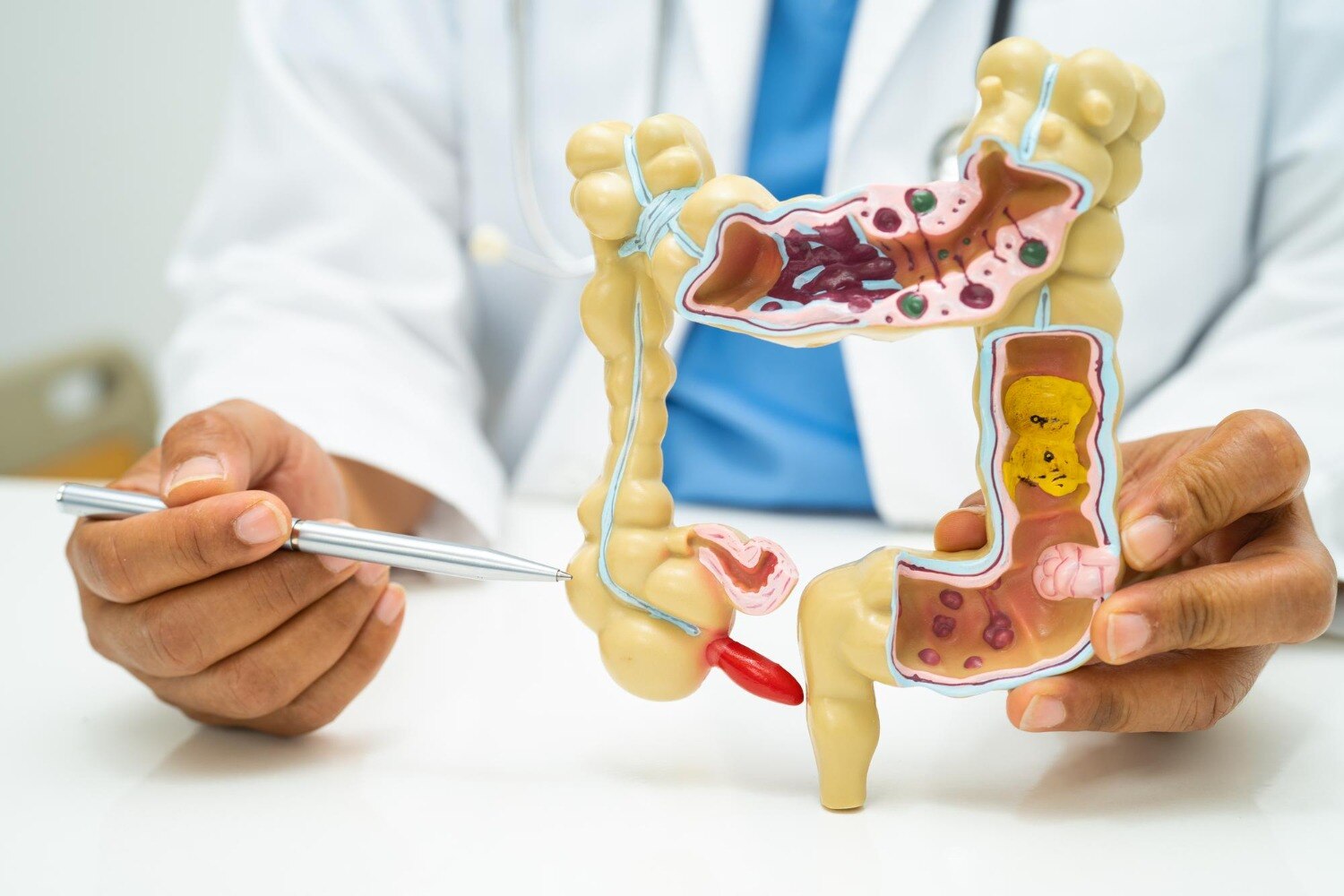
LAPAROSCOPIC SURGERY Appendix The appendix is a small, finger-shaped organ that comes out of the first part of the large intestine. |
Frequently asked questions
Which appendicitis symptoms mean you need urgent assessment?
Seek urgent medical assessment for pain that moves to the lower right abdomen and worsens, especially with fever, repeated vomiting, severe tenderness, a rigid abdomen, fainting or confusion.
How do doctors confirm appendicitis in Mumbai?
Doctors assess your pain pattern and abdomen, then use blood tests and imaging such as an ultrasound or CT scan when needed. Pregnancy status, age and other conditions influence the choice of imaging.
When does appendicitis require surgery rather than observation?
Surgery is usually recommended when the appendix has perforated, an abscess or widespread abdominal infection is suspected, or symptoms and examination findings are worsening. The surgeon also considers imaging results and your overall health.
Can antibiotics alone treat appendicitis, and what is the trade-off?
Antibiotics alone suit selected patients with uncomplicated appendicitis after medical assessment. They avoid an operation initially, but symptoms can return and later surgery may still be needed.
What should you ask at an appendix surgery consultation in Mumbai?
Ask whether your appendicitis is uncomplicated or complicated, which tests support the diagnosis, why surgery or antibiotics is recommended, how laparoscopic surgery would work, recovery expectations and which warning signs require immediate care.
Keywords